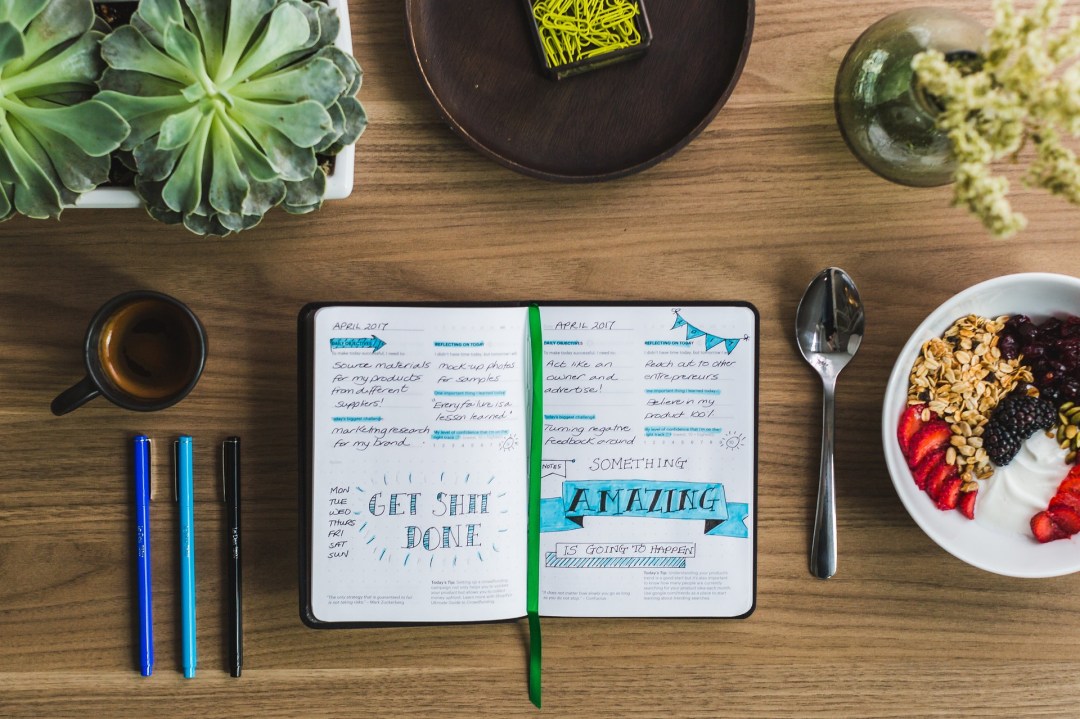
There are many ways to journal and some don’t require a pen. No matter how you decide to get your thoughts down, the benefits are the same. So, let’s get journaling!
Keep reading for the Free Daily Journal template!
1. Pick your journal
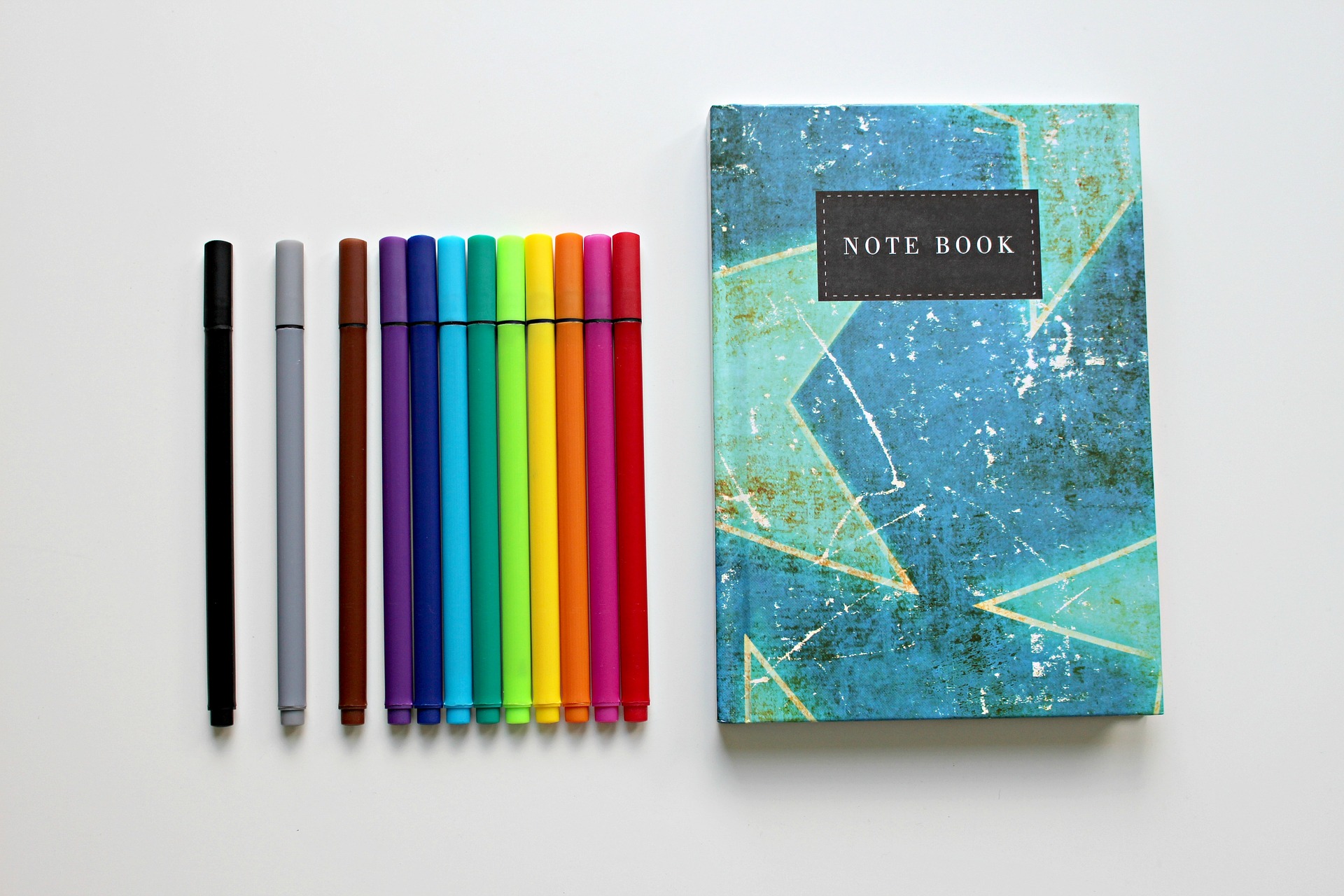
Journaling can help you gain more clarity and understanding. So, give it some thought to find one that is a good fit. A larger journal will provide more space for your hand when writing and plenty of space to write. If you are wanting an on the go option, be sure you find one that fits into our bag or one of the many apps for your phone. Life Hacker gives some great digital options. One of my favorite things to do is get colorful pens for my journal. Fancy is also not necessary – plain paper does the trick too. Want to keep an art journal with expressive entries? Go for it! Whichever you decide make sure it is something that works for you.


2. Make it accessible to use
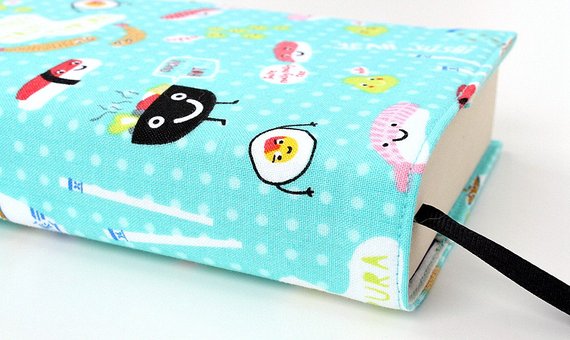
If you are the ‘out of sight, out of mind’ type – then make a place for your journal that will be a visual reminder. Privacy may be a concern, but there’s some really fun book covers you can find on Etsy that doesn’t scream ‘i’m private, so you should read me!’. I have a tendency to get more than one journal because I love notebook’s and journals like I love bags. In my opinion, you can’t have too many! Why not have one for each area of your life? Keep an exercise journal and keep in your gym bag to write in after and/or before your workout, or a nutrition journal can stay with the recipe books so you’re more likely to use it when meal planning.

3. Don’t judge or censor your writing.
One of my favorite suggestions for managing tough emotions is to do a free write entry. You can start with a prompt or simply put the pen (or fingers) to the paper (screen). The goal is to not plan or edit your writing, but let your thoughts flow freely onto the paper. Use your journal in a way that you sometimes cannot with speaking. Have you ever felt you aren’t heard? Maybe you’ve wanted to say something, but aren’t sure how. Try not to erase or censor. Remember mindfulness does not judge, so bring in an element of non-judgment to your journaling.

4. Use it as a life map
If we are writing consistently, it gives us a map of our emotions and reflection on life’s moments. When going through a tough time, emotions can seem louder or more intense, and journaling gives an outlet to release emotions in a healthy way. Having the opportunity to look back and reflect can also give us insight into any patterns we may have. Do we react in the same way to situations that are creating more anxiety or struggle in our life? What can we learn from ourselves to help improve our quality of life? If your writing begins to reflect more of a negative nature, this would be an opportunity to add gratitude or a thankful entry to add balance or lightness into your life.
What are your favorite journal tools?


 The Messy Polka Dot